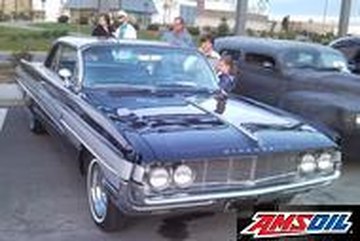
Maintenance and Lubrication for the 1982 Oldsmobile 98 5.7L Diesel
Owning a diesel-powered vehicle from the early 1980s requires a specific approach to routine maintenance. The 1982 Oldsmobile 98, equipped with the 5.7L diesel engine, relies on consistent lubrication and careful monitoring of fluid conditions to maintain operational integrity. Because diesel engines operate under different thermal and mechanical stresses than gasoline counterparts, staying attentive to service requirements is a fundamental part of long-term ownership.
Monitoring Fluid Integrity and Condition
Regularly checking the condition of engine oil is one of the most effective ways to monitor the health of the 5.7L diesel engine. Rather than just checking the level, an owner should observe the physical characteristics of the lubricant. Diesel engines often produce soot as a byproduct of combustion, which can cause the oil to appear darker more quickly than in a gasoline engine. While some darkening is expected, significant changes in texture or an unusual odor may warrant closer inspection.
When performing routine checks, look for any signs of contamination. If the oil appears milky or has a cloudy consistency, this can be associated with coolant entering the lubrication system. Conversely, if the oil smells strongly of fuel, it may indicate an issue with fuel injector sealing or timing. These observations serve as early indicators that allow for proactive maintenance before minor issues escalate into more significant mechanical concerns.
Observing Potential Warning Signs
Identifying changes in vehicle behavior early can prevent unexpected downtime. For the 1982 Oldsmobile 98, several symptoms should be investigated if they arise during operation. A sudden increase in lubricant consumption is a primary indicator that requires attention; if you find yourself needing to add oil more frequently than usual, it is important to determine why.
Visual inspections around the engine bay can reveal evidence of seepage or active leaks. If you notice fluid accumulating on the underside of the engine or dripping onto the ground after the vehicle has been parked, inspect the various gaskets and seals for signs of age-related wear. Additionally, keep an eye on any dashboard indicators. An oil-related warning light should never be ignored; such a signal requires immediate investigation to ensure the engine is receiving adequate lubrication.
Mechanical changes, such as unusual noises that coincide with engine operation, can also be linked to lubrication issues. While sounds can have many different origins, any new or persistent knocking or tapping may indicate that the lubrication system is not performing as intended. Always treat these symptoms as a prompt for a professional diagnostic check.
Prioritizing Long-Term Engine Care
As vehicles age, maintenance priorities often shift from simple part replacement to condition-based monitoring. For an older diesel application, establishing a clear baseline of the engine's current state is highly beneficial. If you do not have a complete service history for the vehicle, your first priority should be to document all recent fluid changes, filter replacements, and any repairs performed.
Once a baseline is established, focus on the following areas:
- Reviewing Service Records: Understanding when components were last serviced helps in predicting when they might need attention.
- Addressing Active Issues: If there are existing leaks or minor fluid losses, addressing these first prevents them from becoming major repairs.
- Monitoring Aging Materials: Inspect all accessible hoses and belts for signs of deterioration, such as cracking, glazing, or fraying. If equipped, ensure that any rubber components remain pliable and intact.
- Consistent Fluid Analysis: Regularly checking the color and consistency of the oil helps track how the engine is performing over time.
By focusing on the actual condition of the vehicle rather than just its age, you can make more informed decisions about which maintenance tasks are necessary and which are merely preventative. This approach ensures that resources are directed toward the areas that most impact the longevity of the 5.7L diesel engine.
Routine Inspection of Engine Components
A thorough visual inspection during routine service can catch many issues before they cause a breakdown. When working near the engine, take time to look at the surrounding components. Inspecting electrical connections and wiring harnesses for signs of fraying or corrosion is a practical step, as reliable electrical signals are vital for proper engine management.
If the vehicle is equipped with an air filtration system, ensure the filter is clean and free of debris. A restricted air intake can affect combustion efficiency and potentially lead to increased soot production in the oil. Furthermore, if there are visible cooling-system components, such as hoses or the radiator, check them for signs of leaks or physical damage. Maintaining a stable operating temperature is essential for all engine types, including diesel engines.
Finally, pay attention to the area around the oil filter and drain plug. Ensuring these areas are clean and free of old residue can make it much easier to spot new leaks during subsequent inspections. A clean engine bay is not just about aesthetics; it is a functional tool that allows for much more accurate monitoring of the vehicle's mechanical health.
Managing Maintenance Records
For owners of classic or older diesel vehicles, keeping a detailed log of all maintenance activities is invaluable. This documentation serves several purposes. First, it provides a clear history that can be used to identify patterns, such as how quickly certain fluids are being consumed or how often specific components require attention. Second, having a documented history of well-maintained service can be beneficial if the vehicle is ever sold.
A good maintenance log should include the date of service, the mileage at the time of service, the specific products used (such as oil brands and filter part numbers), and any observations made during the inspection. This level of detail transforms routine maintenance from a series of disconnected tasks into a comprehensive management strategy for the vehicle's health.
Buying Engine Oil for your 1982 Oldsmobile 98 5.7L
When it is time to replenish the lubrication in your 1982 Oldsmobile 98 5.7L, accuracy in selection is paramount. You should not rely on general automotive knowledge or assumptions based on the vehicle's age to choose a lubricant. Instead, match the engine oil to the application-specific viscosity and requirements already displayed in the information section of this page.
Before making a purchase, carefully check the product labeling to ensure the oil meets the necessary standards for your specific diesel application. While some owners may consider synthetic, synthetic-blend, or high-mileage formulations, the decision should be guided by the technical specifications provided for this engine. High-mileage oils, for example, often contain additives intended for use in aging engines, including seal-conditioning agents, but you must ensure they are appropriate for your specific 5.7L diesel configuration. Always verify that the oil's properties align with the data shown on this webpage to ensure optimal protection and performance.